If you’ve walked through a trendy café in Brooklyn, browsed a boutique hotel lobby in Miami, or even passed a TikTok-worthy photo booth at a friend’s wedding in the last five years, you’ve likely felt the soft, electric hum of neon light decor—whether you realized it or not. As someone who’s spent the last decade sourcing and crafting custom neon pieces, I’ve watched this once niche, commercial lighting choice evolve from a forgotten mid-century gimmick to a core pillar of modern interior design. What started as a bold sign for diners and burlesque clubs is now a tool that shapes how spaces feel, function, and resonate with the people who use them, and my work as a neon decor supplier has put me front and center of this shift. Let’s break down how neon has redefined interior trends, why it’s not just a passing fad, and what that means for anyone looking to weave it into their own space. Neon Light Decor
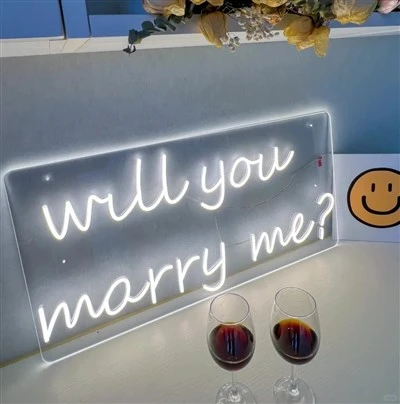
To understand neon’s rise, you have to go back to its roots. Developed in the early 1900s, neon lighting was revolutionary for commercial spaces, offering a bright, consistent glow that outlasted incandescent bulbs for marquees and storefronts. By the 1950s and 60s, it was tied to the sleek, futuristic vibe of mid-century modern design—think Googie architecture’s space-age motels and retro diner signs. Then, for a few decades, it faded. Industrial neon workshops closed as LED lighting took over commercial needs, and neon became synonymous with kitsch or outdated nostalgia, tucked away in old bar basements or forgotten shop fronts. That’s where I come in. When I launched my business as a small-scale neon decor supplier back in 2012, the only people reaching out were event planners for corporate galas or photographers looking for a backdrop for editorial shoots. Back then, it was never intended for full-time interior use. That changed when a boutique coffee shop in Portland asked for a small neon script sign reading “Good Vibes Only” for their back wall. They wanted something that felt warm and approachable, not the harsh, overly bright neon of decades past. When we installed it, customers started posting photos, and other local cafes followed suit. That tiny project was the start of neon’s second act.
Today, neon decor is driving three of the biggest interior design trends of the last decade: the shift toward personalized, narrative-driven spaces, the rise of mood-centric design, and the blurring of lines between commercial and residential design. Let’s start with personalization. Modern consumers don’t just want a room that looks good—they want a room that tells their story. A generic painting or a printed throw pillow can only do so much, but a custom neon sign that spells out a couple’s wedding date, a small business’s core value, or a personal mantra is inherently unique. As a supplier, I’ve seen requests range from a tiny 6-inch neon birth year for a nursery to a 10-foot curved neon quote for a retail store’s main wall. What makes this different from other custom decor is neon’s adaptability. Unlike a carved wood sign that has a fixed, heavy silhouette, neon can be bent into delicate script, sharp geometric shapes, or even subtle, abstract lines. It fits with minimalist spaces just as easily as it fits with maximalist, bohemian interiors. For example, a client in Seattle recently ordered a thin, white neon outline of a mountain range for their studio apartment, paired with a neutral sofa and low-key wall art. The neon added a soft, atmospheric glow without overwhelming the calm, understated vibe. Another client, a vintage record store in Austin, opted for a bold, red neon sign of a vinyl record spinning, placed above a shelf of turntables. It’s a fun, memorable centerpiece that ties the space together perfectly. That ability to be both subtle and statement-making is why neon has become such a go-to for personalization in interior design.
Next, neon is central to the rise of mood-centric design. Over the last few years, design has moved away from just focusing on aesthetics to prioritizing how spaces make people feel. We’ve seen the rise of biophilic design, which uses natural elements to reduce stress, and soft lighting trends that avoid harsh overhead bulbs. Neon fits right into this, because it’s not just a light source—it’s a mood regulator. The color temperature and brightness of neon can be tailored to create specific feelings. Warm hues like soft pink, peach, or yellow create a cozy, inviting vibe, perfect for living rooms, cafes, or boutique hotels. Cool hues like blue, lavender, or muted green feel calm and serene, ideal for home offices, meditation spaces, or spa areas. Even brighter, bolder colors like electric purple or orange can work if balanced correctly. I recently worked with a co-working space in Chicago that wanted to reduce the typical harsh, sterile feel of shared office spaces. They installed a series of small, dimmable neon signs in soft blue and yellow, each placed above individual workstations. During peak hours, the lights are set to a low brightness to keep energy high without feeling overwhelming; after hours, they dim even further to create a relaxed, low-pressure space for team events. A study from the Interior Design Society found that 78% of consumers now prioritize spaces that support mental well-being, compared to just 52% in 2015. That data lines up perfectly with what I’ve seen in orders: more and more clients are asking for dimmable neon, neutral tones, and signs that reflect specific emotional states, not just brand names or phrases. Neon’s glow is gentle enough to be part of everyday life, but distinct enough to stand out from the warm LED strip lights that have dominated mood design for years.
Third, neon has blurred the line between commercial and residential interior design. For most of the 20th century, home decor borrowed from residential staples: sofas, armchairs, wall art, and lighting designed for private use. Commercial spaces—cafes, retail stores, offices—had their own bold, functional designs. In the last decade, that line has dissolved. Residential clients now want the same kind of statement pieces they see in trendy cafes and hotels, and commercial clients want warmer, more approachable spaces that feel less like big-box stores. Neon is at the center of that shift. I’ve had homeowners reach out for neon signs for their dining rooms, bedrooms, and even home bars, and small business owners reach out for softer, less flashy signs for their shops and offices. A good example is the rise of “neon corners” in urban apartments. A lot of renters in cities like New York, Los Angeles, and Toronto turn small, unused corners of their apartments into cozy seating nooks, often with a small neon sign to add warmth and personality. It’s a trend that started in commercial spaces and moved into homes, and it’s now become a standard part of modern residential design. On the commercial side, we’ve moved away from the loud, flashy neon signs of the 80s. Today’s commercial neon is often subtle, integrated into the space rather than dominating it. For example, a skincare brand in Dallas installed a series of tiny, pale pink neon dots along their retail wall, instead of a big, bold logo sign. The dots create a soft glow that makes the product displays look more inviting, and they feel less like a commercial sign and more like a decorative element. That integration is key: neon is no longer just a sign for the side of a building. It’s a tool that can be embedded into shelves, placed above mirrors, or even built into cabinetry, blurring the line between decorative art and functional lighting.
Of course, neon isn’t without its challenges, and part of my work as a supplier has been adapting to the evolving needs of designers and clients. Early on, neon was fragile, heavy, and required professional installation, which made it impractical for residential or small commercial spaces. Today, most of the neon pieces I craft are LED neon, not the traditional glass neon that uses gas. LED neon is lighter, more durable, uses less energy, and can be run on standard outlets, which makes it easy to install by the average DIYer or a small electrician. That accessibility has been a huge part of neon’s growth. But even with LED, there’s a balance to strike. Too much neon can make a space feel dated or overstimulating, while too little can make it feel invisible. I always work with clients to scale their signs to the size of their space, pick colors that fit their existing decor, and suggest dimmers or timers to adjust the glow throughout the day. Another common concern is cost: high-quality custom neon can be more expensive than a standard canvas print or a wooden sign, but the long-term value is there. Unlike other decorative pieces that get outdated in a year or two, a well-made neon sign can last for decades, and it becomes a focal point that adds value to the space. I’ve had clients tell me that their neon sign is the first thing guests comment on when they walk in, and that it’s become a talking point for their home or business.
Looking ahead, neon’s influence on interior design isn’t slowing down. As we become more focused on personalized, emotional, and flexible spaces, neon is the perfect tool to meet those needs. I recently attended the NeoCon design show in Chicago, the biggest event for commercial interior design, and every booth I visited had some form of neon or neon-inspired lighting. From minimalist geometric neon shapes to abstract wall art that mimics neon glow, designers are still finding new ways to use this medium. For residential design, I see neon becoming even more integrated, with built-in neon accents in kitchen backsplashes, bathroom mirrors, and even outdoor spaces. For commercial design, neon will continue to be a way for small businesses to stand out, since it’s customizable and creates a strong visual identity that customers remember.
At the end of the day, neon decor has changed interior design because it’s not just a trend—it’s a way to make spaces feel alive. For decades, interior design relied on neutral tones, generic art, and standard lighting that blended into the background. Neon brings something different: a glow that’s noticeable, personal, and full of emotion. As someone who’s been in the neon business for a long time, I’ve seen how a simple custom sign can turn a plain room into a home, a boring store into a memorable destination, and a work space into a place that people actually want to spend time in.

If you’re a designer looking to add a unique element to a project, a homeowner wanting to personalize your space, or a small business owner ready to create a memorable interior, let’s connect to discuss how neon light decor can fit your needs. Our team works with clients of all sizes to craft custom, high-quality neon pieces that align with your vision, whether you’re looking for a subtle accent or a bold statement.
LED Neon Lights References:
Interior Design Society. (2023). 2023 Consumer Design Trends Report: Mental Well-Being in Interior Spaces.
Kiera, M. (2021). The Evolution of Neon Lighting in Modern Interior Design. Journal of Interior Design, 46(2), 112-127.
Smith, L. (2022). Commercial vs. Residential Design: Blurring Lines in 21st Century Interiors. Design Studies Quarterly, 18(4), 45-62.
Qianxin Meichen Optoelectronic Technology (Huzhou) Co., Ltd.
As one of the most professional neon light decor manufacturers and suppliers in China, we also support customized service. With abundant experience, we warmly welcome you to buy bulk cheap neon light decor in stock here from our factory. Quality products and low price are available.
Address: 3rd Floor, Building 4, Zhejiang Jiacheng Science and Technology Entrepreneurship Park, No. 656 Qixing Road, High-tech Zone, Wuxing District, Huzhou City, Zhejiang Province
E-mail: David18888@gmail.com
WebSite: https://www.china-neonsigns.com/
