Can marker stakes be used for marking tree rows? This is a question that often comes up in the forestry, agriculture, and landscaping industries. As a supplier of marker stakes, I’ve had the opportunity to see firsthand how these simple yet effective tools can play a crucial role in marking tree rows. In this blog post, I’ll explore the various aspects of using marker stakes for this purpose, including their benefits, types, and best practices. Marker Stakes

Benefits of Using Marker Stakes for Marking Tree Rows
Precision and Organization
One of the primary benefits of using marker stakes is the ability to achieve precise and organized tree rows. When planting trees, whether it’s for a commercial orchard, a reforestation project, or a home garden, maintaining straight and evenly spaced rows is essential. Marker stakes act as visual guides, allowing planters to align the trees accurately. This not only enhances the aesthetic appeal of the tree plantation but also facilitates easier management, such as irrigation, fertilization, and harvesting.
Long – Term Visibility
Marker stakes are designed to be durable and visible over an extended period. They can withstand various weather conditions, including rain, wind, and sunlight. This long – term visibility is crucial, especially in large – scale tree plantations. Planters can easily identify the rows even after several years, which is beneficial for tasks like tree thinning, pruning, and disease control.
Cost – Effectiveness
Compared to more complex marking systems, marker stakes are a cost – effective solution. They are relatively inexpensive to produce and purchase, making them accessible to a wide range of users, from small – scale farmers to large – scale forestry companies. Additionally, their simplicity means that there is no need for expensive equipment or specialized training to use them.
Flexibility
Marker stakes come in a variety of sizes, shapes, and materials, which provides flexibility in marking tree rows. Depending on the specific requirements of the project, such as the type of trees, the terrain, and the expected lifespan of the markers, users can choose the most suitable stakes. For example, in a wetland area, stakes made of rot – resistant materials like plastic or treated wood would be a better choice.
Types of Marker Stakes Suitable for Marking Tree Rows
Wooden Marker Stakes
Wooden stakes are a traditional and popular choice for marking tree rows. They are relatively inexpensive, easy to work with, and can be easily customized. For instance, they can be painted with bright colors to enhance visibility. However, wooden stakes are susceptible to rot and insect damage, especially in moist environments. To mitigate this, they can be treated with preservatives, but this may increase the cost.
Plastic Marker Stakes
Plastic stakes are becoming increasingly popular due to their durability and resistance to environmental factors. They do not rot, rust, or attract insects, making them a long – lasting option. Plastic stakes are available in a wide range of colors and sizes, and some can be recycled, which is an environmentally friendly feature. However, they may be more expensive than wooden stakes initially.
Metal Marker Stakes
Metal stakes, such as steel or aluminum, offer high strength and durability. They are suitable for use in areas with high winds or where there is a risk of physical damage. Metal stakes can also be engraved with information, such as tree species or row numbers, for better organization. However, they are more expensive than wooden and plastic stakes, and they may be prone to rusting if not properly coated.
Best Practices for Using Marker Stakes to Mark Tree Rows
Planning and Layout
Before installing the marker stakes, it is essential to have a clear plan and layout for the tree rows. This includes determining the spacing between the rows and the trees within each row. Factors such as the type of trees, their mature size, and the equipment that will be used for maintenance should be considered. Once the layout is determined, the stakes can be placed at the appropriate intervals to mark the rows.
Installation
Proper installation of the marker stakes is crucial for their effectiveness. The stakes should be driven deep enough into the ground to ensure stability. In soft soil, a deeper insertion may be required to prevent the stakes from being easily knocked over by wind or animals. Additionally, the stakes should be installed vertically to ensure accurate alignment of the tree rows.
Marking and Identification
To make the marker stakes more useful, they should be clearly marked. This can include painting them with bright colors, attaching reflective tape, or adding labels with relevant information. For large – scale plantations, a numbering or coding system can be used to identify different rows and sections, which simplifies management and record – keeping.
Maintenance
Regular maintenance of the marker stakes is necessary to ensure their long – term effectiveness. This includes checking for damage, such as broken or leaning stakes, and replacing them as needed. In areas with heavy vegetation growth, the stakes may need to be cleared of overgrown plants to maintain visibility.
Case Studies: Real – World Applications of Marker Stakes in Marking Tree Rows
In a large – scale apple orchard, marker stakes were used to mark the rows of apple trees. The orchard owner chose plastic stakes due to their durability and long – term visibility. The stakes were installed at the beginning of the planting process, and they served as a guide for the planters. Over the years, the stakes remained in place, allowing the orchard workers to easily identify the rows for tasks such as pruning, spraying, and harvesting. This not only improved the efficiency of the orchard operations but also contributed to the overall health and productivity of the apple trees.
In a reforestation project, wooden marker stakes were used to mark the rows of native tree species. The stakes were treated with a natural preservative to prevent rot. The project team found that the stakes were easy to install and provided a clear visual guide for the volunteers who were planting the trees. The use of marker stakes helped to ensure that the trees were planted in straight rows, which facilitated the monitoring and management of the reforested area.
Conclusion
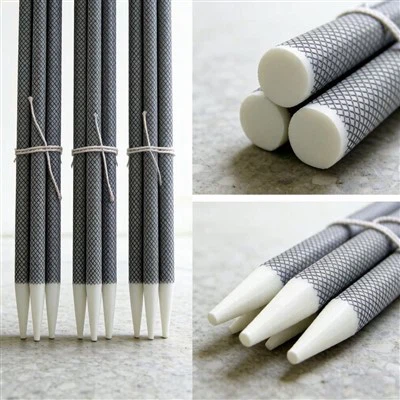
In conclusion, marker stakes can indeed be used for marking tree rows, and they offer numerous benefits in terms of precision, long – term visibility, cost – effectiveness, and flexibility. By choosing the right type of stakes and following best practices for installation and maintenance, users can effectively mark their tree rows and improve the overall efficiency and productivity of their tree – planting projects.
Fiberglass Handrail and Fencing If you are involved in a tree – planting project and are looking for high – quality marker stakes, I encourage you to reach out to discuss your specific needs. Our team is dedicated to providing the best solutions for your marking requirements. We can offer a wide range of marker stakes in different materials, sizes, and colors to meet your project’s unique demands. Contact us to start a conversation about how our marker stakes can enhance your tree – row marking efforts.
References
- Smith, J. (2020). Forestry Management: Best Practices. Forestry Press.
- Johnson, A. (2019). Agricultural Planting Techniques. Agri – Science Publications.
- Brown, C. (2021). Landscaping Design and Maintenance. Landscape Books.
Yizheng Wanteng Composites Co., Ltd.
As one of the most professional marker stakes manufacturers and suppliers in China, we’re featured by quality products and good service. Please rest assured to wholesale bulk slip-resistant marker stakes for sale here from our factory. Contact us for pricelist.
Address: No. 20 Longyi Road, Qingshan Town Industrial Park, Yizheng City, Jiangsu Province, China
E-mail: mark@wantfrp.com
WebSite: https://www.wantfrp.com/
