Hey there! I’m a supplier of forged parts, and today I wanna chat about the crucial role of non-destructive testing (NDT) in the quality control of these parts. Forged Parts
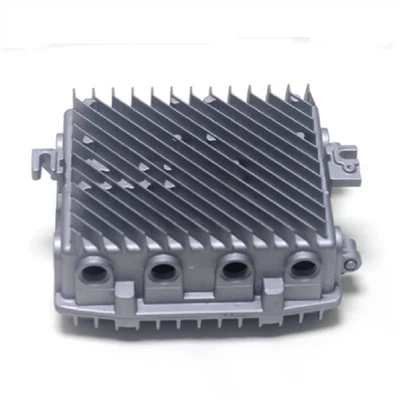
So, what exactly are forged parts? Well, they’re made by applying compressive forces to metal materials. This process shapes the metal into desired forms, and it’s used in tons of industries, like automotive, aerospace, and construction. Since these parts often operate under high stress and in harsh environments, their quality is super important. One small flaw could lead to a big problem, like machinery breakdown or even a safety hazard. That’s where NDT steps in.
Let’s start with what NDT is. It’s a group of inspection methods that let us check the integrity of forged parts without causing any damage. This means we can find defects like cracks, porosity, and inclusions while still being able to use the parts later if they pass the test. There are several common NDT techniques, and each has its own strengths.
First up is ultrasonic testing (UT). It uses high-frequency sound waves to detect internal defects in forged parts. The way it works is pretty cool. A transducer sends sound waves into the part, and when these waves hit a defect, they reflect back. By analyzing these reflections, we can figure out the size, shape, and location of the defect. UT is great for detecting internal flaws that aren’t visible on the surface. For example, in a large forged crankshaft used in an engine, UT can spot hidden cracks that could cause the engine to fail. It’s a quick and reliable method, and it can be used on parts of different sizes and shapes.
Another important technique is magnetic particle testing (MT). This one is mainly used for ferromagnetic materials, like iron and steel, which are commonly used in forging. We first magnetize the part and then apply magnetic particles to its surface. If there’s a surface or near-surface defect, the magnetic field around the defect is disrupted, and the magnetic particles will accumulate at the defect site. This creates a visible indication, making it easy to detect cracks or other irregularities. MT is really useful for finding surface-breaking defects that could lead to corrosion or stress concentration. For instance, in a forged gear, MT can help us identify surface cracks that might start to grow under load and eventually cause the gear to fail.
Dye penetrant testing (PT) is also a popular NDT method. It’s used to detect surface-opening defects in all types of non-porous materials. The process involves applying a colored dye to the part’s surface, letting it seep into any defects, and then removing the excess dye. After that, a developer is applied, which draws the dye out of the defects, making them visible. PT is simple and cost-effective. It can be used to find small surface cracks that might be hard to see with the naked eye. In the case of forged hand tools, PT can ensure that there are no surface flaws that could affect their performance and safety.
Radiographic testing (RT) uses X-rays or gamma rays to create an image of the internal structure of a forged part. It’s similar to taking an X-ray of a human body. The rays pass through the part, and the differences in density within the part are captured on a film or a digital detector. This allows us to see internal defects like voids, inclusions, and improper forging flow patterns. RT is especially useful for complex-shaped parts or parts where internal integrity is critical. For example, in aerospace forged components, RT can help us ensure that there are no hidden defects that could compromise the safety of an aircraft.
Now, let’s talk about why NDT is so important in the quality control of forged parts. First of all, it helps us detect defects early in the production process. By catching flaws before the parts are assembled or put into service, we can save a lot of time and money. If a defective part is installed in a machine and then fails later, it could lead to costly repairs, downtime, and even potential safety risks. With NDT, we can identify and reject defective parts right away, ensuring that only high-quality parts are delivered to our customers.
Secondly, NDT helps us maintain consistent quality. In the forging process, there can be variations in materials, manufacturing conditions, and other factors that might affect the quality of the parts. NDT allows us to closely monitor these parts and ensure that they meet the required standards. This consistency is crucial for our customers, as they rely on our forged parts to perform reliably in their applications.
Another benefit of NDT is that it provides valuable information about the part’s quality and integrity. The test results can help us understand the root cause of any defects, which allows us to make improvements to our forging process. For example, if we keep finding a certain type of defect in our forged parts, we can analyze the test data and adjust the forging parameters, such as the temperature, pressure, or the type of raw material, to prevent the defect from occurring in the future.
In addition, NDT is important for meeting regulatory requirements. Many industries, especially those related to safety and critical applications, have strict regulations regarding the quality and inspection of forged parts. By using NDT, we can ensure that our parts comply with these regulations, which is not only necessary for legal reasons but also helps us build trust with our customers.
As a forged parts supplier, we take NDT very seriously. We have a well-equipped NDT laboratory and a team of experienced technicians. Before we ship any forged parts to our customers, we conduct thorough NDT inspections to ensure that they are of the highest quality. We also keep detailed records of all the test results, which we can provide to our customers upon request. This transparency helps us build long-term relationships with our customers and gives them confidence in our products.

In conclusion, non-destructive testing plays a vital role in the quality control of forged parts. It helps us detect defects early, maintain consistent quality, provide valuable information for process improvement, and meet regulatory requirements. As a supplier, we rely on NDT to ensure that our forged parts are safe, reliable, and meet the needs of our customers. If you’re in the market for high-quality forged parts, I encourage you to reach out to me for a procurement discussion. Whether you’re from the automotive, aerospace, construction, or any other industry, I’m confident that we can provide you with the right forged parts that meet your quality standards. Let’s work together to get the best forged parts for your projects!
Metal Stamped Parts References:
- "Non-Destructive Testing Handbook"
- "Forging Technology and Quality Control" research papers
Hangzhou Zhalihui Import And Export Co., Ltd.
We are one of the most experienced forged parts manufacturers and suppliers in China, specialized in providing high quality customized products. Please feel free to buy discount forged parts in stock here from our factory. Contact us for quotation.
Address: Room 2801, Building 2, Taifu Plaza, No.17, Tonghui Middle Road, Chengxiang Street, Xiaoshan, Hangzhou, Zhejiang
E-mail: Chars_1979@hotmail.com
WebSite: https://www.zhalihui.com/
