In the ever-evolving landscape of skincare, cosmetic peptides have emerged as a revolutionary ingredient, captivating the attention of both skincare enthusiasts and professionals alike. As a supplier of high-quality cosmetic peptides, I’ve had the privilege of witnessing firsthand the incredible potential these tiny powerhouses hold. One question that frequently arises in discussions about cosmetic peptides is whether they interact with other skincare products. In this blog post, I’ll delve into this topic, exploring the science behind peptide interactions and providing insights to help you maximize the benefits of your skincare routine. Cosmetic Peptide
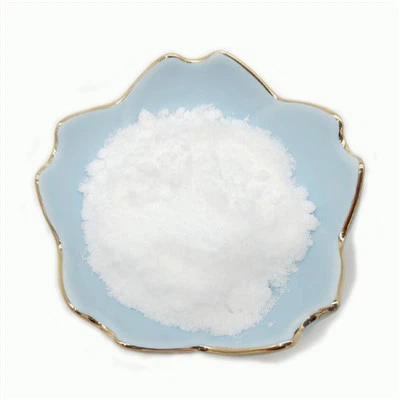
Understanding Cosmetic Peptides
Before we dive into the topic of interactions, let’s first establish a basic understanding of what cosmetic peptides are. Peptides are short chains of amino acids, the building blocks of proteins. In skincare, peptides play a crucial role in signaling the skin to perform various functions, such as collagen production, cell repair, and hydration. Different types of peptides have different effects on the skin. For example, collagen peptides can help improve skin elasticity and reduce the appearance of wrinkles, while neurotransmitter-inhibiting peptides can relax facial muscles and minimize the appearance of fine lines caused by repeated facial expressions.
How Cosmetic Peptides Work
Cosmetic peptides work by binding to specific receptors on the skin cells. Once bound, they can activate or inhibit certain cellular pathways, leading to a desired biological response. For example, when a collagen-stimulating peptide binds to its receptor on a fibroblast (a type of skin cell that produces collagen), it triggers a cascade of events that ultimately results in increased collagen synthesis. This, in turn, can improve the skin’s texture, firmness, and overall appearance.
Interactions with Other Skincare Products
Now, let’s address the question at hand: do cosmetic peptides interact with other skincare products? The answer is yes, but the nature and extent of these interactions can vary depending on several factors, including the type of peptide, the other ingredients in the product, and the formulation of the skincare products.
Compatibility with Other Active Ingredients
One of the most common concerns when using cosmetic peptides is their compatibility with other active ingredients, such as retinol, vitamin C, and alpha-hydroxy acids (AHAs). In general, peptides are relatively stable and can be used in combination with other active ingredients. However, it’s important to note that some ingredients may have different pH requirements or may interact chemically with peptides, potentially reducing their effectiveness.
- Retinol: Retinol is a powerful vitamin A derivative that is known for its ability to stimulate cell turnover, reduce the appearance of wrinkles, and improve skin texture. When used in combination with peptides, retinol can enhance the overall anti-aging effects of the skincare routine. However, both retinol and peptides can be irritating to the skin, especially for those with sensitive skin. It’s recommended to start using these ingredients separately and gradually introduce them into your routine to minimize the risk of irritation.
- Vitamin C: Vitamin C is a potent antioxidant that can help protect the skin from free radical damage, brighten the complexion, and promote collagen synthesis. Peptides and vitamin C can work synergistically to improve the skin’s appearance. However, vitamin C is unstable and can be easily oxidized, especially in the presence of light and air. To ensure the effectiveness of both ingredients, it’s best to use them in separate products or formulations that are designed to protect their stability.
- Alpha-Hydroxy Acids (AHAs): AHAs, such as glycolic acid and lactic acid, are commonly used in skincare products to exfoliate the skin, remove dead skin cells, and improve skin texture. When used in combination with peptides, AHAs can help enhance the penetration of peptides into the skin, allowing them to work more effectively. However, both AHAs and peptides can increase the skin’s sensitivity to the sun. It’s important to use a broad-spectrum sunscreen when using these ingredients together to protect the skin from UV damage.
Interaction with Formulation Components
In addition to active ingredients, cosmetic peptides can also interact with the formulation components of skincare products, such as emulsifiers, preservatives, and solvents. These interactions can affect the stability, solubility, and bioavailability of the peptides, ultimately influencing their effectiveness.
- Emulsifiers: Emulsifiers are used in skincare products to stabilize the mixture of oil and water phases. Some emulsifiers may interact with peptides, causing them to aggregate or precipitate. This can reduce the bioavailability of the peptides and decrease their effectiveness. It’s important to choose skincare products that use high-quality emulsifiers that are compatible with peptides.
- Preservatives: Preservatives are added to skincare products to prevent the growth of bacteria, fungi, and other microorganisms. Some preservatives may interact with peptides, causing them to degrade or lose their activity. It’s recommended to use skincare products that use mild, natural preservatives that are less likely to interact with peptides.
- Solvents: Solvents are used in skincare products to dissolve the active ingredients and other formulation components. Some solvents may interact with peptides, causing them to denature or lose their biological activity. It’s important to choose skincare products that use solvents that are compatible with peptides and do not affect their stability.
Tips for Using Cosmetic Peptides with Other Skincare Products
To ensure the effectiveness of your skincare routine and minimize the risk of interactions, here are some tips for using cosmetic peptides with other skincare products:
- Patch Test: Before using a new skincare product that contains peptides or other active ingredients, it’s important to perform a patch test on a small area of skin, such as the inner wrist or behind the ear. This can help you determine if you have any allergic reactions or sensitivities to the product.
- Follow the Instructions: Always follow the instructions provided on the skincare product labels. This includes the recommended frequency of use, the amount of product to apply, and any precautions or warnings.
- Layer Your Products Correctly: When using multiple skincare products, it’s important to layer them correctly to ensure maximum effectiveness. In general, it’s recommended to apply products with the thinnest consistency first and work your way up to the thickest. For example, you may start with a toner, followed by a serum containing peptides, then a moisturizer, and finally a sunscreen.
- Give Your Skin Time to Adjust: When introducing new skincare products into your routine, it’s important to give your skin time to adjust. Start by using the products once or twice a week and gradually increase the frequency as your skin becomes more accustomed to them.
Conclusion
In conclusion, cosmetic peptides can interact with other skincare products, but the nature and extent of these interactions can vary depending on several factors. By understanding the science behind peptide interactions and following the tips provided in this blog post, you can maximize the benefits of your skincare routine and achieve the best possible results.
Cosmetic Ingredients As a supplier of high-quality cosmetic peptides, I’m committed to providing our customers with the latest research and information on peptide technology. If you’re interested in learning more about our products or have any questions about using cosmetic peptides in your skincare formulations, please don’t hesitate to contact me. We’d be happy to discuss your specific needs and help you find the right solutions for your business.
References
- Alberts, B., Johnson, A., Lewis, J., Raff, M., Roberts, K., & Walter, P. (2002). Molecular Biology of the Cell. Garland Science.
- Barel, A. O., Paye, M., & Maibach, H. I. (Eds.). (2001). Cosmetic Dermatology: Developments and Key Concepts. Taylor & Francis.
- Fitzpatrick, T. B., Eisen, A. Z., Wolff, K., Freedberg, I. M., & Austen, K. F. (Eds.). (2003). Fitzpatrick’s Dermatology in General Medicine. McGraw-Hill.
- Hardman, J. G., Limbird, L. E., & Gilman, A. G. (Eds.). (2001). Goodman & Gilman’s The Pharmacological Basis of Therapeutics. McGraw-Hill.
- Williams, M. L., & Barrish, J. C. (2004). Peptides in Medicinal Chemistry and Biology. Wiley-VCH.
Zhenyibio Technology Inc
As one of the most experienced cosmetic peptide manufacturers and suppliers in China, we offer a wide range of products with superior quality. Welcome to buy high quality cosmetic peptide at competitive price from our factory. If you have any enquiry about cooperation, please feel free to email us.
Address:
E-mail: alex@zhenyibio.com
WebSite: https://www.zhenyi-cos.com/
