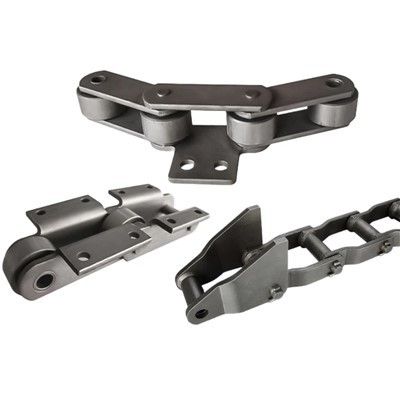
Balancing mechanical parts is a crucial aspect in the world of manufacturing and engineering. As a supplier of mechanical parts, I’ve seen firsthand how proper balancing can make or break the performance of a machine. In this blog, I’ll share some insights on how to balance mechanical parts effectively. Mechanical Parts
Why is Balancing Important?
Before we dive into the how – to, let’s talk about why balancing mechanical parts is so important. Unbalanced parts can cause a whole bunch of problems. For starters, they lead to increased vibration. When a part rotates unevenly, it shakes the entire machine. This vibration not only makes the machine noisy but also speeds up wear and tear on other components.
Over time, this can result in premature failure of the machine. It can also affect the quality of the end – product. For example, in a precision machining operation, unbalanced parts can lead to inaccurate cuts and poor surface finish. In a power transmission system, it can cause energy loss and reduced efficiency. So, as you can see, balancing is not just a nice – to – have; it’s a must – do.
Types of Imbalance
There are basically three types of imbalance that we commonly deal with in mechanical parts: static imbalance, couple imbalance, and dynamic imbalance.
Static Imbalance
Static imbalance occurs when the center of gravity of a part is not on the axis of rotation. It’s like having a heavy spot on one side of a wheel. You can think of it as a situation where if you were to place the part on a horizontal axle, it would naturally rotate until the heavy side is at the bottom. This type of imbalance can be corrected by adding or removing material from the appropriate side of the part.
Couple Imbalance
Couple imbalance is a bit more complicated. It happens when two equal but opposite imbalances are present at different axial positions along the rotating part. Imagine a shaft with a heavy spot near one end and a corresponding heavy spot on the opposite side near the other end. The net force due to these imbalances might be zero, but they create a couple or a twisting moment. This causes the part to wobble as it rotates.
Dynamic Imbalance
Dynamic imbalance is a combination of static and couple imbalance. It’s the most common type of imbalance in real – world mechanical parts. In this case, the part has both an offset center of gravity and a couple, which means it will vibrate in multiple directions while rotating.
Methods of Balancing
Now that we know the types of imbalance, let’s look at the methods used to balance mechanical parts.
Single – Plane Balancing
Single – plane balancing is used for parts that are relatively thin compared to their diameter, like fans or flywheels. The idea here is to measure the static imbalance and then correct it. We usually do this by using a balancing machine. The part is mounted on the machine, and it rotates at a low speed. The machine detects the heavy spot, and then we can either add weight to the opposite side or remove material from the heavy side until the part is balanced.
Two – Plane Balancing
Two – plane balancing is for parts that have significant length compared to their diameter, such as motors or pumps. Since these parts can have both static and couple imbalance, we need to correct the imbalance in two different planes along the axis of rotation. The balancing machine measures the vibration at two locations on the part. Based on these measurements, we can calculate how much weight to add or remove in each plane to achieve balance.
The Balancing Process
The balancing process can be divided into several steps.
Step 1: Inspection
First, we need to visually inspect the part. Look for any obvious signs of damage, such as cracks or missing material. We also check the surface finish and dimensions to make sure the part meets the specifications. Any irregularities can affect the balancing results.
Step 2: Mounting
Next, we mount the part on the balancing machine. It’s crucial to mount the part correctly to ensure accurate measurements. The mounting method depends on the type of part and the balancing machine we’re using. For example, some parts can be mounted directly on a spindle, while others may require special fixtures.
Step 3: Measurement
Once the part is mounted, we start the balancing machine and let it rotate the part at a specified speed. The machine uses sensors to measure the vibration and determine the amount and location of the imbalance. The measurement data is then displayed on the machine’s control panel.
Step 4: Correction
After getting the measurement, it’s time to correct the imbalance. As I mentioned earlier, we can either add weight or remove material. Adding weight can be done by attaching small weights to the part using adhesives or screws. Removing material can be achieved through processes like drilling, milling, or grinding. We make small adjustments and then re – measure the imbalance until it falls within the acceptable tolerance.
Step 5: Verification
Once we think the part is balanced, we conduct a final verification. We run the part again on the balancing machine to make sure the imbalance is within the specified limits. If it’s not, we go back and make further adjustments.
Challenges in Balancing
Balancing mechanical parts is not always a walk in the park. There are several challenges that we face as suppliers.
One of the biggest challenges is dealing with complex part geometries. Some parts have intricate shapes, which makes it difficult to accurately measure and correct the imbalance. In these cases, we may need to use advanced measurement techniques and specialized balancing equipment.
Another challenge is the temperature and environmental conditions. Temperature changes can cause the material of the part to expand or contract, which can affect the balance. We need to take these factors into account and perform the balancing process in a controlled environment whenever possible.
Cost is also a factor. Balancing can be an expensive process, especially for high – precision parts. We need to find a balance between achieving the required level of balance and keeping the cost down for our customers.
Why Choose Our Mechanical Parts?
As a supplier of mechanical parts, we take balancing very seriously. We have a team of experienced technicians who are well – versed in the latest balancing techniques. Our state – of – the – art balancing machines ensure accurate and efficient balancing of all our parts.
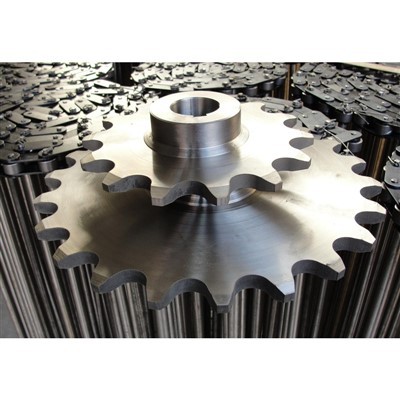
We also understand that every customer has different requirements. Whether you need a single part balanced to a high degree of precision or a large batch of parts with a more general balance requirement, we can accommodate you. Our quality control process ensures that every part leaving our facility is properly balanced and meets the highest standards.
Bucket Elevator Chain If you’re in the market for mechanical parts, we’d love to have a chat with you. We can discuss your specific needs, provide you with a quote, and show you how our balanced parts can improve the performance and reliability of your machines. Don’t hesitate to reach out to us for any purchasing inquiries. We’re here to help you find the best mechanical parts solutions for your business.
References
- Groover, M. P. (2010). Fundamentals of Modern Manufacturing: Materials, Processes, and Systems. John Wiley & Sons.
- Norton, R. L. (2013). Design of Machinery: An Introduction to the Synthesis and Analysis of Mechanisms and Machines. McGraw – Hill Education.
- Shigley, J. E., Mischke, C. R., & Budynas, R. G. (2004). Mechanical Engineering Design. McGraw – Hill.
Zhejiang Hangte Chain Transmission Co., Ltd.
We are one of the most experienced mechanical parts manufacturers and suppliers in China since 1999. Please rest assured to buy high quality mechanical parts made in China here from our factory. If you have any enquiry about cooperation, please feel free to email us.
Address: No. 195 Qinglin East Street, Qingshan Lake Subdistrict, Lin’an District, Hangzhou City, Zhejiang Province
E-mail: hangtechain@gmail.com
WebSite: https://www.chinahtchain.com/
